
Our camper · bought July 2025
The camper that gave rainy days somewhere comfortable to go.
Our 2026 Forest River Aurora Light 26BHS is a family travel trailer with bunks, more breathing room for the people and dogs, and enough comfort to make a washed-out campground weekend still feel like a trip.
Why this one
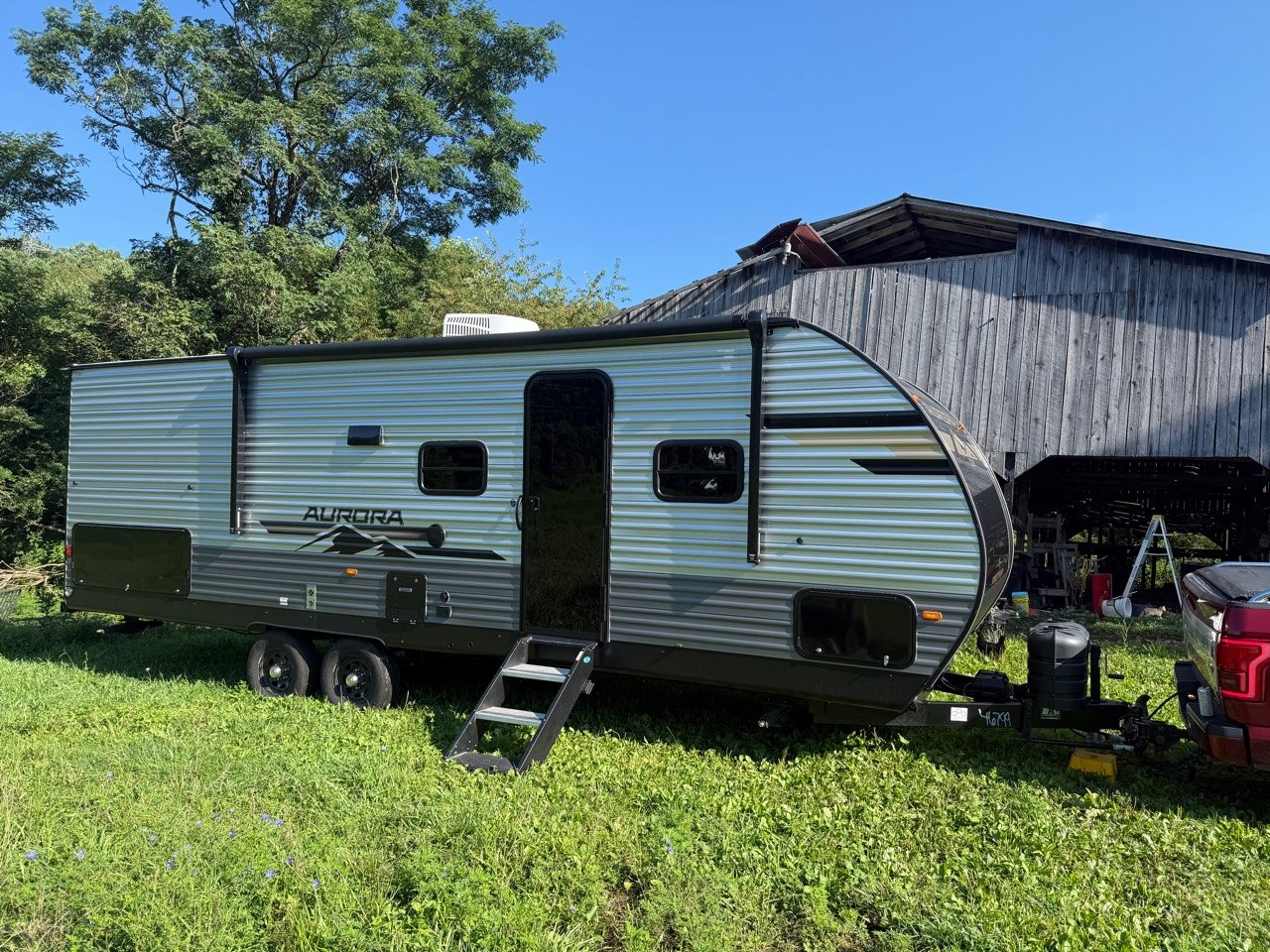
We wanted the next camper to solve the problems we already knew.
By the time we started looking for another camper, we were not shopping from a blank sheet of paper. We knew what it was like to deal with water problems. We knew what a camper felt like when rain kept everyone inside. We also knew that stepping over dogs all weekend was not a floor-plan feature we wanted to keep.
We bought the Aurora in July 2025 because we wanted dependable working water, more room for bad-weather days, and better places for the family and dogs to settle without turning the center aisle into an obstacle course.
We also wanted something that looked good. We may not be arriving in one of the enormous fifth wheels parked around us, but the Aurora has enough presence that it does not feel like it needs to apologize for taking the neighboring campsite.
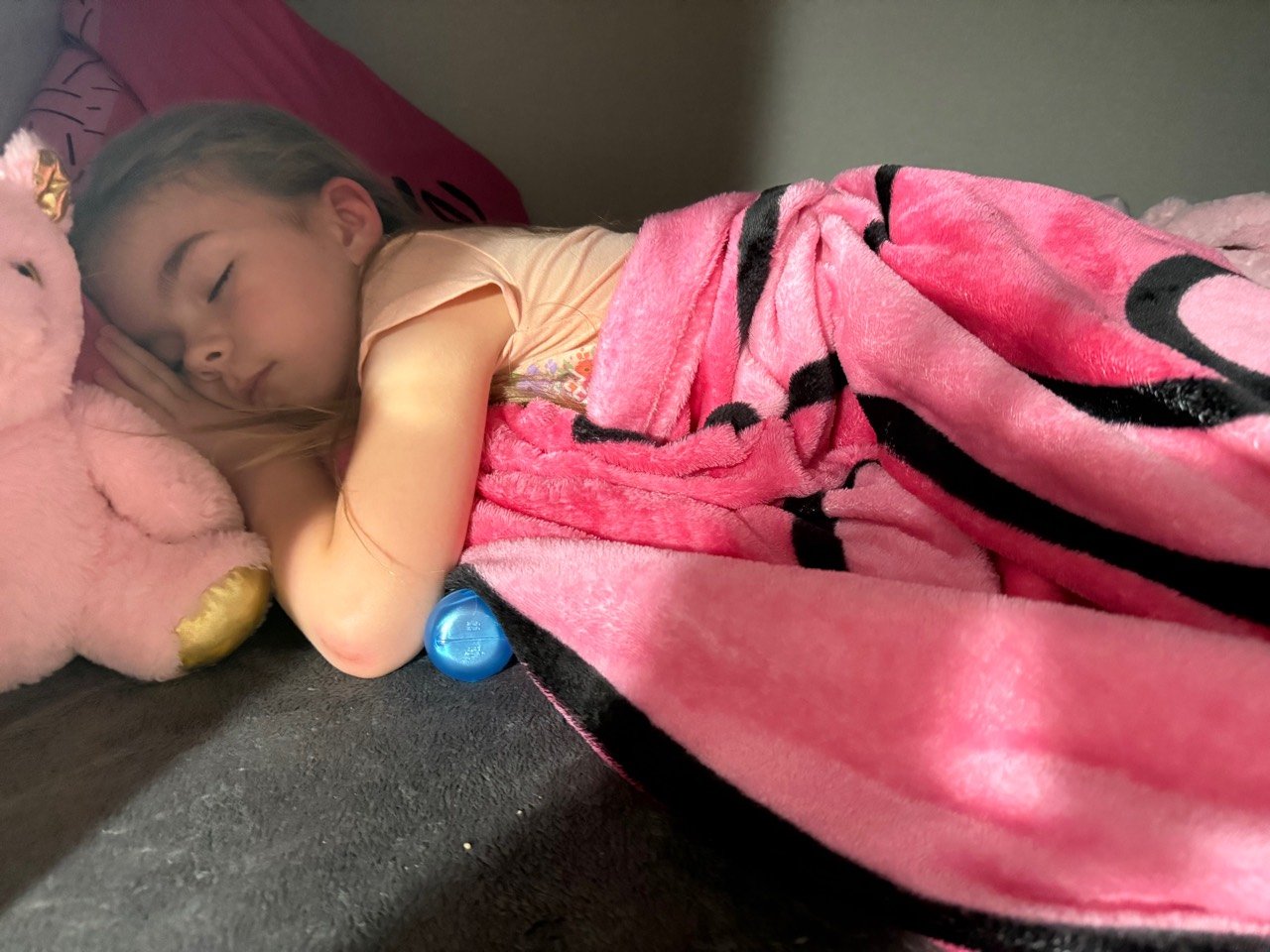
The bunks immediately became family territory.
Lily uses the bunk area as her part of the camper. Dolly sometimes claims the lower bunk, and at other times she curls into the tunnel-like space below it. Giving both of them places to settle keeps more of the main living area usable and cuts down on the late-night dog obstacle course.
The bunk layout was not simply about increasing the advertised sleeping capacity. For us, it created separate, useful spaces inside a camper that still has to function when everyone is awake.
We turned the outside kitchen area into the storage we actually needed.
Our outside kitchen compartment arrived as an open area rather than a complete cooking station. That ended up working well for us. We plugged in a mini fridge and use the remaining space for folding chairs and our sticker-covered cooler.
It is less of an outdoor kitchen and more of a practical campground gear station—which is a better match for how we travel.
Our trailer’s weight labels
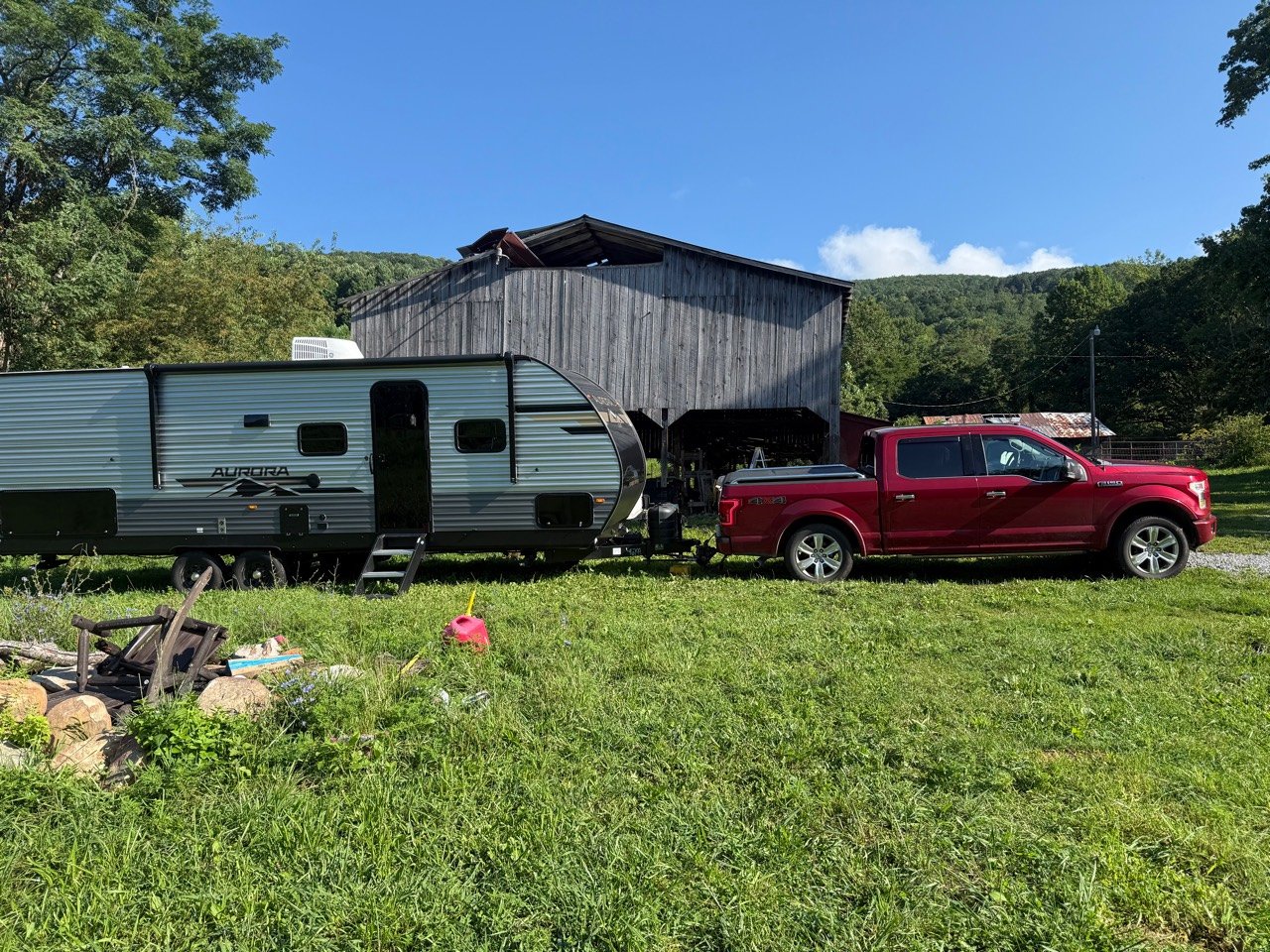
This Aurora Light 26BHS at a glance.
These numbers come from the federal certification and tire-and-loading labels attached to our specific trailer. They differ slightly from Forest River’s published model averages, which is exactly why checking the label matters.
The model’s published hitch weight is 774 pounds, but that is not a measured loaded tongue weight for our trailer. Food, water, batteries, propane, gear, and where everything is stored can change the real number, so the loaded combination needs to be verified by weight rather than estimated from the brochure.
How ours is equipped
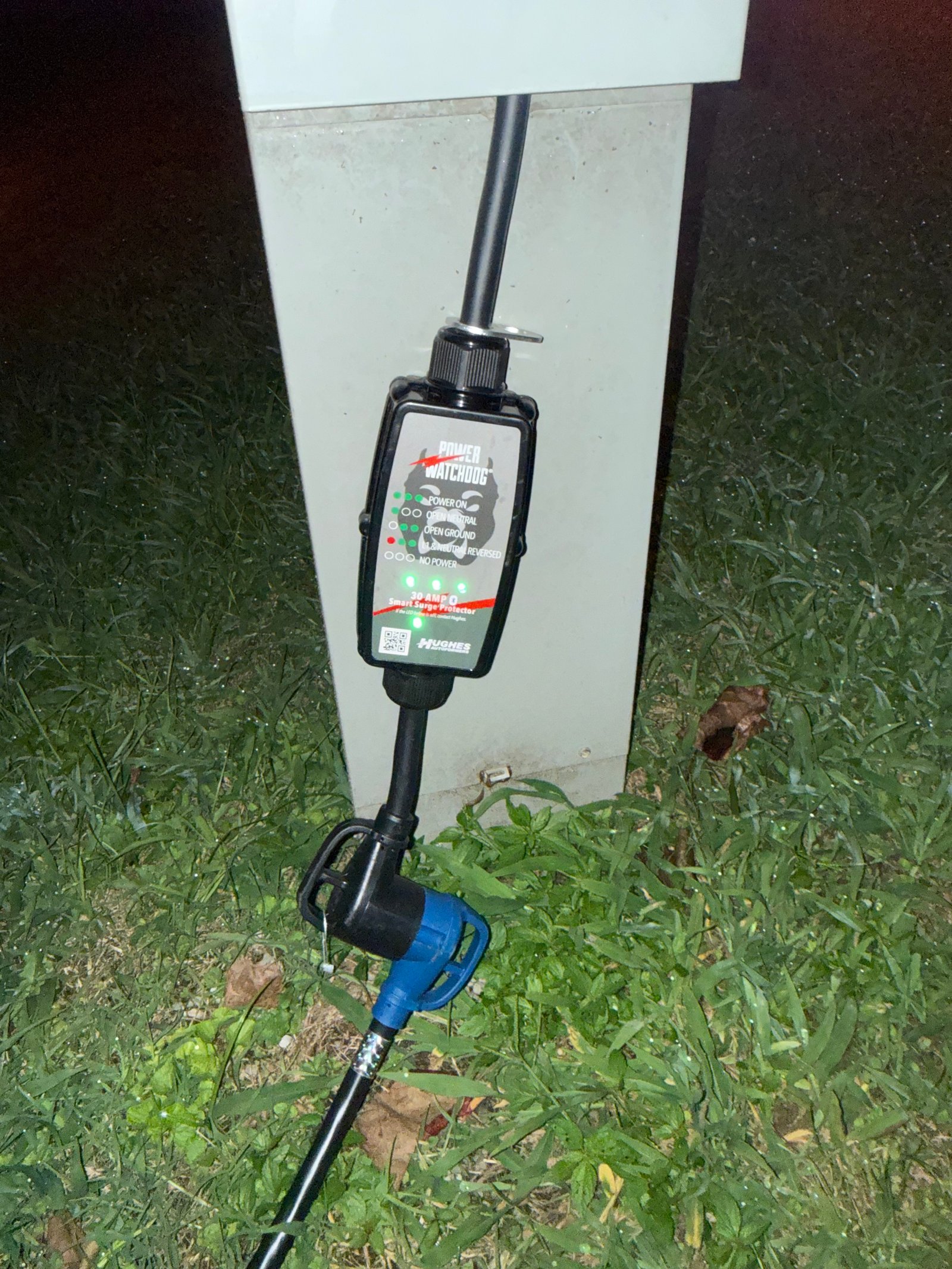
Simple systems, with room to add more later.
A useful distinction
Stabilizing is not leveling.
The crank-down stabilizers help reduce movement after the trailer is leveled and chocked. They are not intended to lift the trailer or correct an unlevel campsite.
The tow vehicle
2016 Ford F-150 Platinum SuperCrew 4×4.
Our truck has the 5.0-liter Ti-VCT V8, 145-inch wheelbase, 5.5-foot bed, factory tow package, 36-gallon extended-range fuel tank, and a soft tonneau cover over the bed.
Its door labels show a 7,000-pound GVWR, 3,525-pound front GAWR, 3,800-pound rear GAWR, and 1,575-pound combined occupant-and-cargo limit. Axle code L6 identifies the 3.73 electronic-locking rear axle.
Ford published the 2016 5.0-liter V8 at 385 horsepower and 387 lb-ft of torque. The 2016 towing selector lists a properly equipped 5.0-liter, 3.73-axle, 145-inch-wheelbase SuperCrew 4×4 at up to 10,800 pounds of maximum loaded conventional trailer weight with a weight-distributing hitch.
That brochure number is not a promise that 10,800 pounds can be used after loading our family and gear. The 1,575-pound payload label, truck GVWR and axle ratings still have to accommodate people, the tonneau cover, bed cargo, hitch equipment, and the trailer’s actual tongue load. We use a weight-distribution hitch, but it does not make those ratings disappear.
Review Ford’s 2016 technical specifications → See Ford’s 2016 towing guide →
Why the truck setup works for travel days
People in the cab. Camping gear under the cover.
The SuperCrew gives the family room inside the truck, while the short bed and soft tonneau provide covered space for the gear we want outside the camper. The extended-range tank is especially useful on towing days because it gives us more flexibility about where we stop.
As we spend more time with this combination, we will report what it is actually like to load, tow, park, fuel, and live with—not just repeat the largest number in a brochure.
The first trip
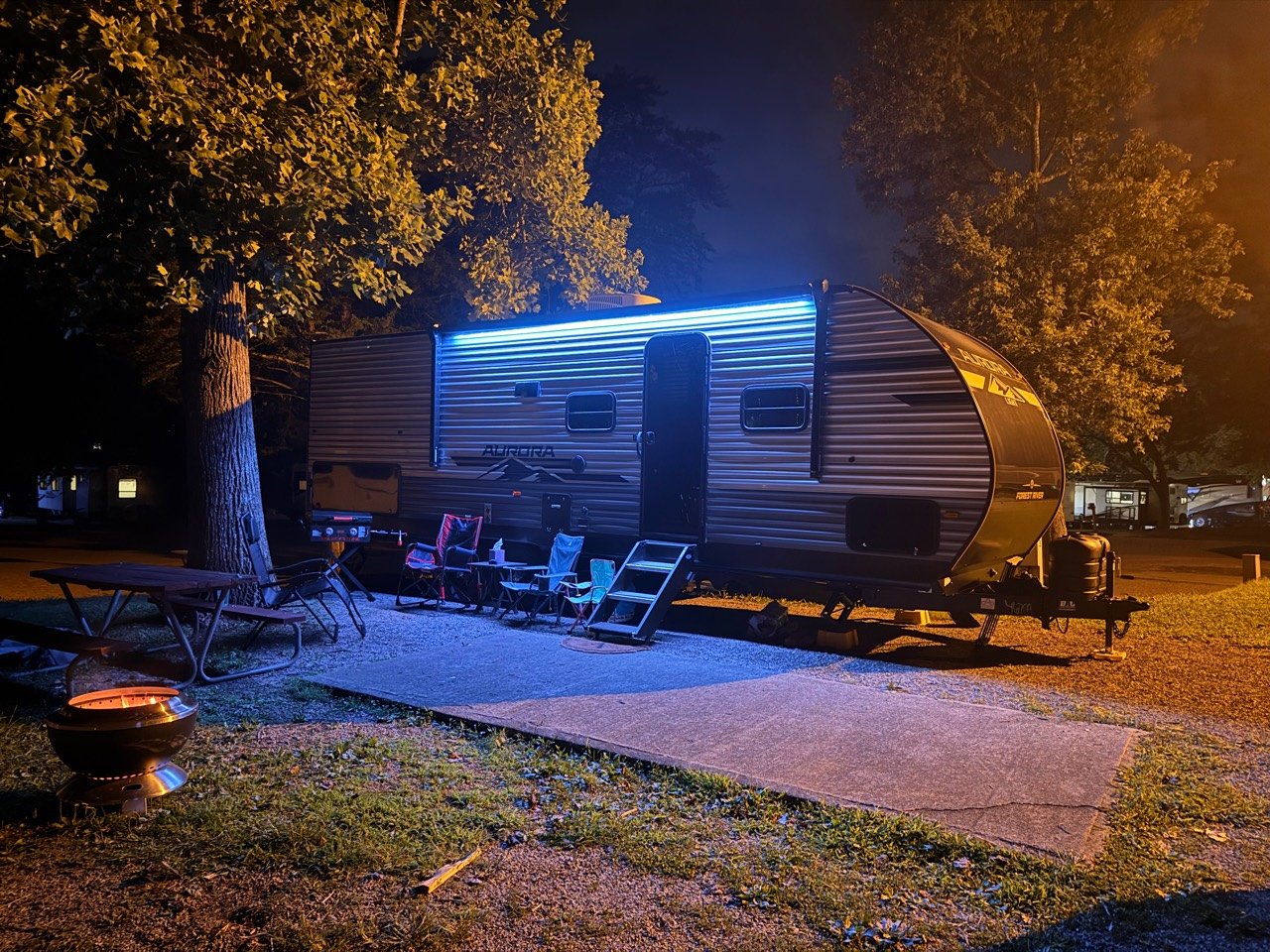
Lakewood Campground gave us exactly the test we did not order.
Our first trip in the Aurora was to Lakewood Campground, and it rained the entire time.
That could have made the weekend feel like a loss. Instead, we stayed comfortable inside and watched movies. Lily had her bunk area, Dolly could settle without blocking the middle of the camper, and everyone had enough room to let the weather do what it wanted outside.
It was not the sunny first-trip story we might have planned, but it confirmed one of the biggest reasons we bought this floor plan: when the weather closes the campsite, the camper still gives the family somewhere enjoyable to be.
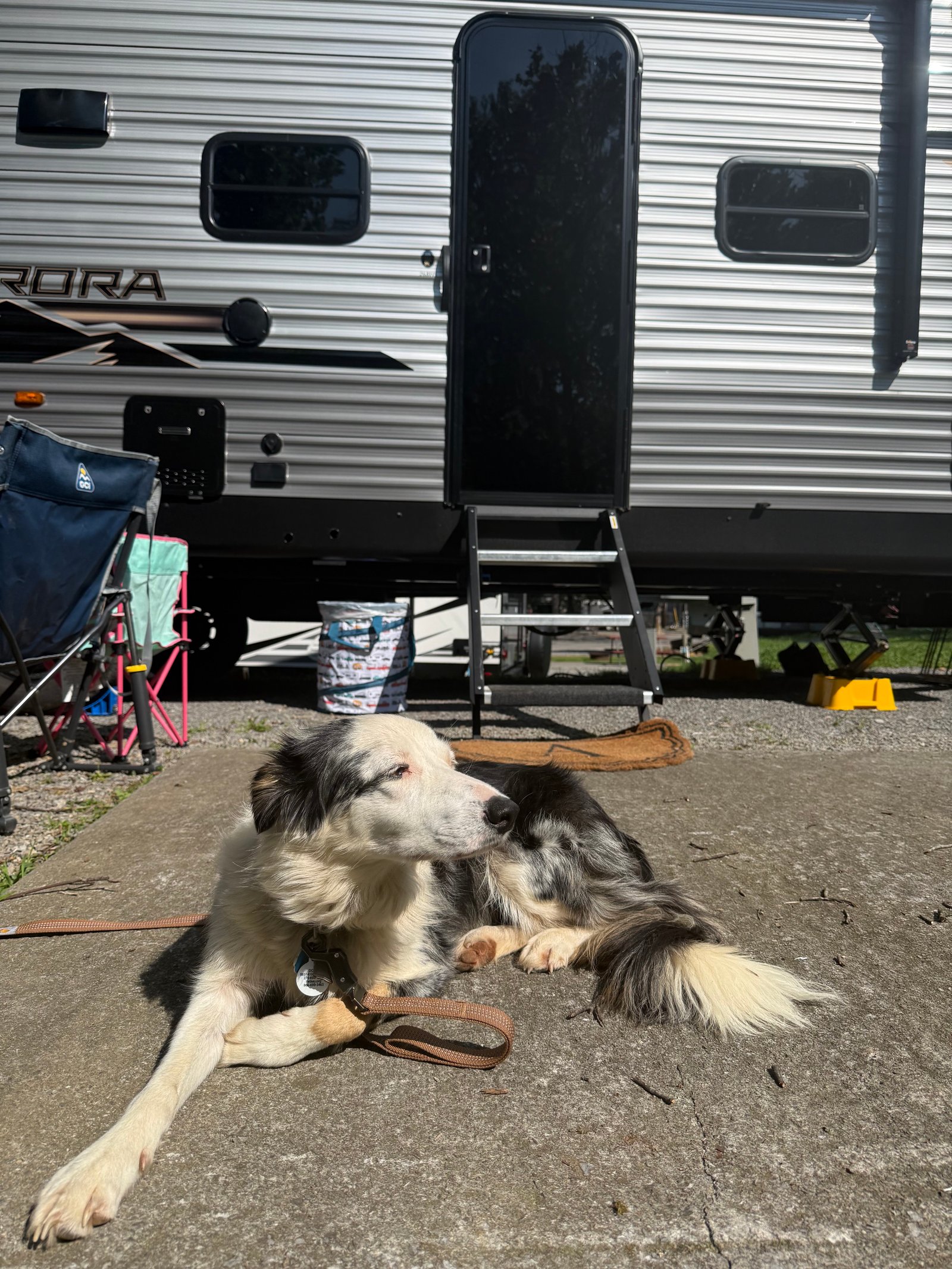
This page will grow with the camper.
We will keep adding the details that only show up after real trips: what earns its storage space, what becomes annoying, how the bunk and dog arrangements evolve, whether we add solar, and which small changes make setup or travel days easier.
Specifications explain what the Aurora was built to be. The stories will explain what it becomes for our family.
