

Updated with our fixed costs: a $300 monthly camper payment and $100 quarterly insurance.
If you’ve ever planned a family RV trip, opened the calculator, and immediately decided the calculator was being a little dramatic, this one is for you.
Everybody has their own creative accounting. There’s girl math: “If I add one more thing, shipping is free—so technically I saved money.” There’s chicken math: “We only planned on six chickens, but those two are rare colors, those two are great layers, and those two were practically free.” And then there’s camper math: “We already own the camper, so the trip is basically free… as soon as we politely ignore fuel, campsites, food, activities, and the gas-station snacks nobody remembers buying.”
Camper math is the grown-up version because it actually gets more useful when we stop pretending. Once the yearly ownership costs are laid out, the mystery disappears. The camper payment and insurance are already part of our regular life; each trip is mostly about fuel + food + a campsite + kid fun.
So the question usually isn’t “Can we afford to travel?” It’s “How do we stay intentional, keep everybody comfortable, and still have a really good time?”
Your fixed monthly reality
Our known camper costs are:
- Camper payment: $300 per month
- Insurance: $100 every quarter, or about $33.33 per month
That puts our fixed monthly carry at $333.33, which works out to roughly $11.11 per day.
- 4 days: $44.44
- 5 days: $55.56
- 7 days: $77.78
- 9 days: $100.00
This is a known base—not glamorous, but useful. It lets us separate the cost of owning the camper from the money we will actually spend during a specific trip.
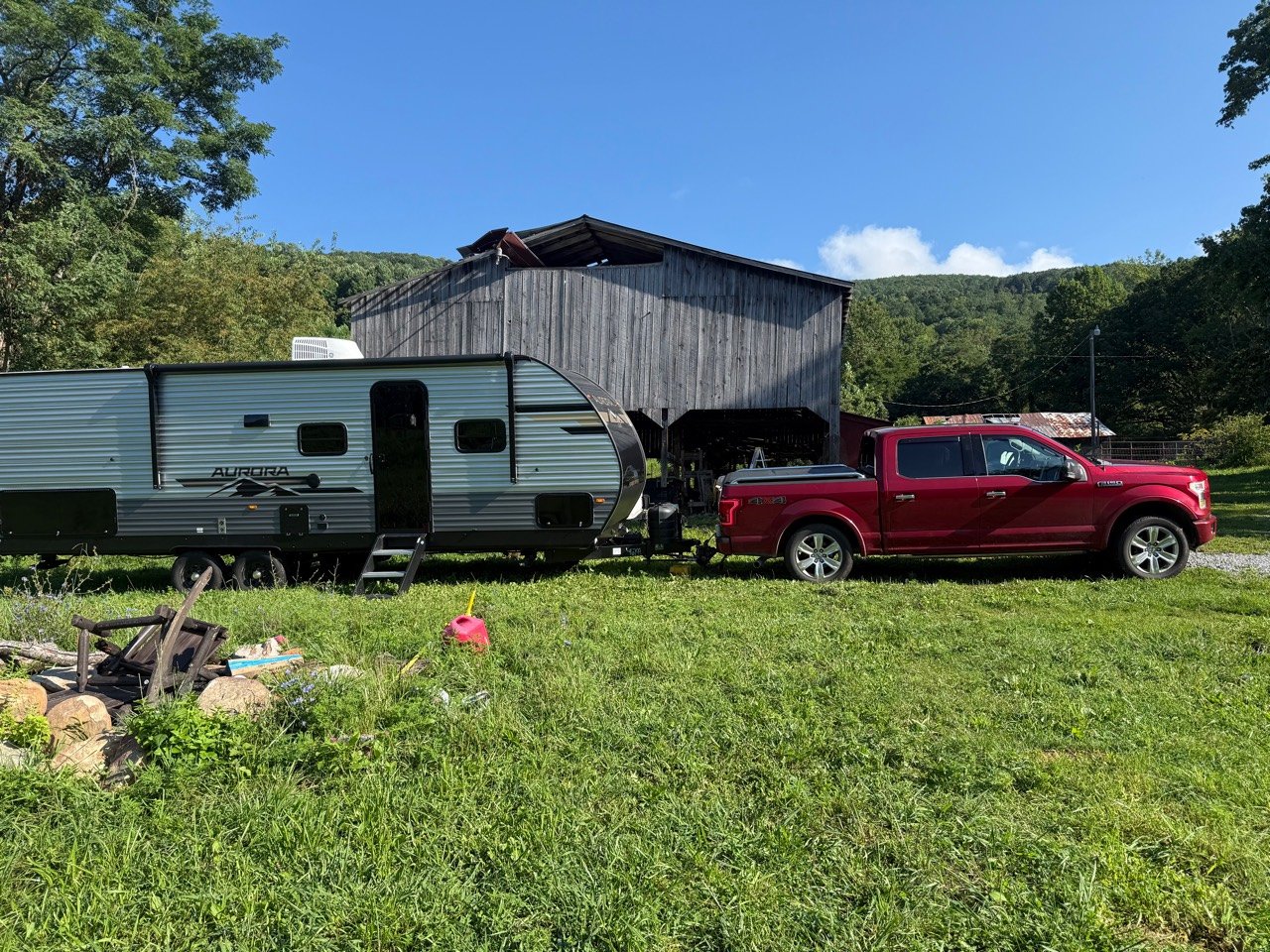
How we budget a family RV trip
Our travel style is comfortable, kid-friendly, and memorable. We are not pricing a survival challenge; we are planning family travel with a camper.
- Fuel: round-trip distance, realistic towing MPG, and the current price of gas
- Sites: family-friendly campgrounds with the hookups and amenities that remove headaches
- Food: mostly groceries and camper meals, plus one easy restaurant night
- Kid fun and miscellaneous: activities, parking passes, treats, and little surprises
- Buffer: the “life happens” fund
Think of it like a packing list: wheels, shelter, food, fun, and then the panic fund.
Why the total is easier to manage than it looks
People often lock onto one scary number and forget that every line can move. Fuel changes with terrain, wind, towing speed, and where you fill up. Campsites range from simple public campgrounds to full-service family resorts. Food gets expensive when every rest stop somehow turns into six snacks and three drinks.
That is why we use ranges. It is not because we do not know what we are doing; it is because family travel is not perfectly predictable.
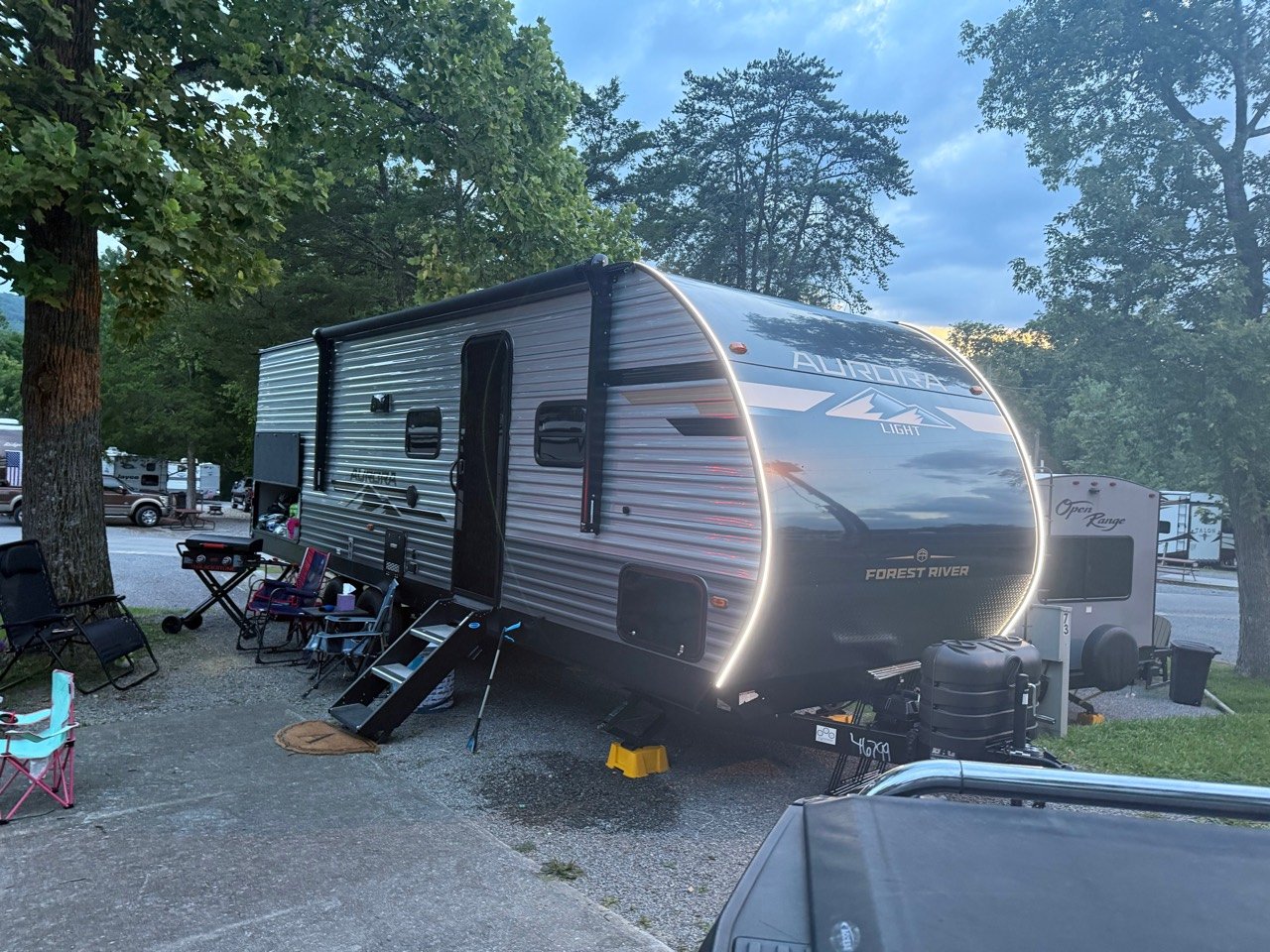
Two realistic trip styles for our family
Option A: 4–5 day family reset
This is the sweet spot when everybody needs a break but we still want the trip to feel worth the setup.
- 4 days: approximately $1,206–$1,522
- 5 days: approximately $1,506–$1,967
Option B: 7–9 day comfort adventure
This works when we want slow travel instead of airport pace, with room for rest days and more kid activities.
- 7 days: approximately $2,178–$2,809
- 9 days: approximately $2,799–$3,606
These estimates include the camper’s fixed ownership carry spread across the trip, along with a surprise buffer so we are not ambushed by “one more small thing.”
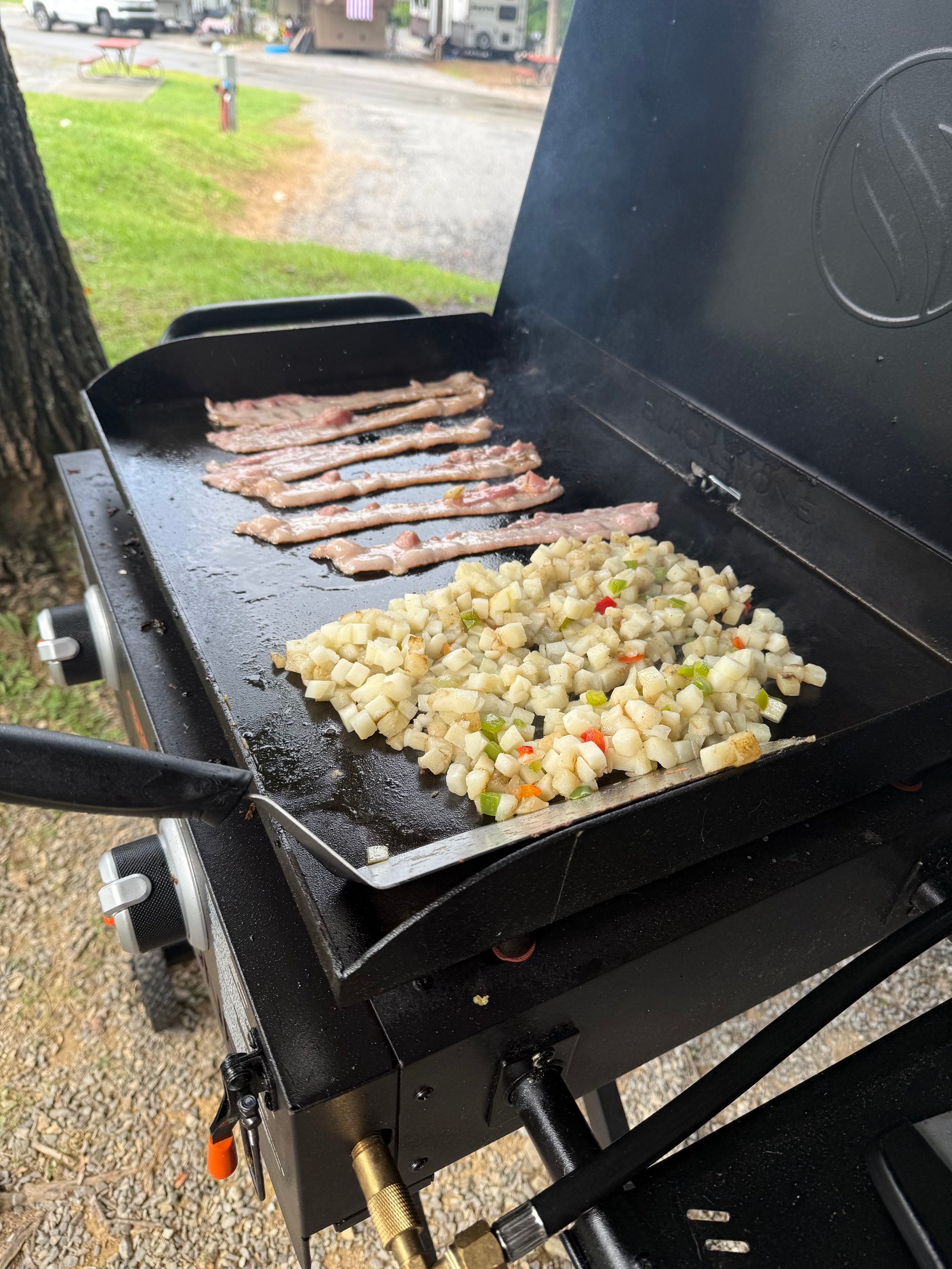
Our real-world planning numbers
- Fuel: Use your real towing MPG, not the brochure number.
- Campsites: Use $65–$85 per night as a comfort-focused planning range.
- Food: Plan $90–$110 per day for a family, mixing groceries with an occasional meal out.
- Kid fun: Plan $30–$50 per day for activities, snacks, and spontaneous fun.
- Surprise buffer: Add about 15% to the planned total.
If fuel costs more than expected, do not panic and cancel the whole trip. Adjust one campsite night, one meal out, or one paid activity. Small changes protect the adventure without turning vacation into a punishment.
Use the live RV trip-cost estimator
Want to compare two campgrounds or see how a longer drive changes the trip? Enter your own towing miles, MPG, fuel price, nights, campsite rate, food, activities, buffer, and number of travelers. The result updates immediately.
Open the live trip-cost estimator →
If you prefer to do the math yourself
Fuel = (Round-trip miles ÷ towing MPG) × gas price
Camp = nightly rate × nights
Food = $90–$110 × trip days
Kid Fun = $30–$50 × trip days
Fixed Carry = $11.11 × trip days
Buffer = 15% of the subtotal
Total = Fuel + Camp + Food + Kid Fun + Fixed Carry + Buffer
The no-panic takeaway
Owning a camper is not free, and neither is using it. But a clear budget turns a vague, stressful number into a handful of choices we can control. We already know the fixed cost. For each adventure, we plan the fuel, campground, food, fun, and buffer—then go make the memories the camper was bought for.
